Gallium Arsenide Solar: Efficiency Meets Industrial Reliability
Why Gallium Arsenide Solar Technology Stands Out in Industrial Use
Having been around industrial equipment—and, frankly, solar tech—for over a decade, I can say gallium arsenide (GaAs) solar panels are kind of like the unsung heroes on the factory floor and beyond. We often hear about silicon-based solar, but gallium arsenide solar is a whole different beast, especially when it comes to harsh environments where reliability and efficiency aren’t just desirable—they're mandatory.
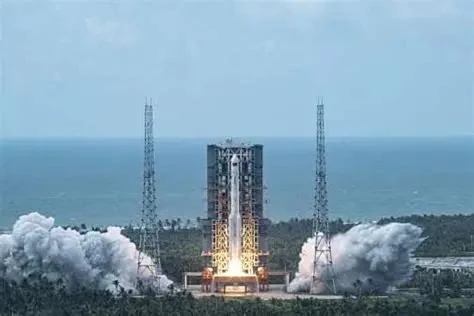
GaAs solar cells originally carved their niche in aerospace. If you've looked up at satellites or space stations, you'll find GaAs cells powering them—this means they’re built to be durable under intense radiation and extreme temperatures. Bringing that kind of resilience down to earth, literally, unlocks some nifty advantages for industrial applications.
Efficiency and Durability: A Winning Mix
Oddly enough, gallium arsenide solar panels manage efficiency levels that silicon cells can only dream about—typically in the high 20% to mid-30% range for commercially-available panels. When exposed to real-world conditions like dust, ambient heat, or partial shading, GaAs modules retain performance noticeably better. The tough semiconductor properties reduce degradation over time. I remember one plant where they swapped out traditional panels for GaAs—they noticed a power bump of nearly 20% during the blazing summer months. Talk about a return on investment.
Material-wise, GaAs cells use compound semiconductors rather than the elemental silicon—this isn’t some minor detail. It means these panels are inherently more resistant to damage caused by thermal cycling and photon-induced degradation. So when you’re looking for solar in remote or industrially aggressive areas—chemical plants, mining sites—you’re not just buying a panel, you're investing in peace of mind.
Gallium Arsenide Solar Product Specifications
| Specification | Typical Value |
|---|---|
| Cell Efficiency | 28% - 32% |
| Operating Temperature Range | -40°C to +85°C |
| Degradation Rate per Year | ~0.3% |
| Typical Module Size | 25 cm x 25 cm (Cell) |
| Power Output (per Cell) | Around 1.4 W at STC |
| Typical Application | Space, Industrial, Remote Sites |
Comparing Leading Gallium Arsenide Solar Vendors
Not all GaAs panels are created equal, of course. I’ve dealt with a few suppliers over the years, and it quickly became clear that nuances like manufacturing process, testing rigor, and after-sales support matter a lot in the industrial context.
| Vendor | Efficiency Range | Special Features | Price Tier | Typical Lead Time |
|---|---|---|---|---|
| SolarTech Dynamics | 28% - 30% | Radiation-hardened, Custom Sizes | High | 6-8 weeks |
| GaAs Innovations | 29% - 32% | Advanced Coatings, Extended Warranties | Premium | 8-10 weeks |
| Photon Edge Co. | 27% - 29% | Modular Systems, Competitive Pricing | Mid | 4-6 weeks |
Putting It All Together: What’s the Real Impact?
At the end of the day, picking gallium arsenide solar tech feels like choosing quality that pays forward. It's not just about panel specs or price tags; it's about the fewer headaches on site, the improved uptime, and frankly, the subtle peace of mind that comes when you know your solar setup is weathering the storm (literally and figuratively).
I remember a client operating a remote communications tower—solar was their backbone power source. Swapping to GaAs panels cut their maintenance trips dramatically. Those savings often get overlooked in upfront budget talks but trust me—they stack fast.
So, if your application demands something robust, efficient, and a little future-proofed, gallium arsenide solar panels really are worth a serious look. Also, if you’re curious about how this tech works, check here — the insights around space-grade solar gear might surprise you.
References and personal notes:
1. Industry discussions and specs from various solar expos, 2019-2023.
2. Real-life case studies from remote industrial site deployments.
3. Technical deep-dives from GaAs component manufacturers.