Exploring the Essential Parts of a CubeSat: A Veteran’s Insight
Dissecting the Components of a CubeSat: What Really Matters
Having spent more than a decade in the industrial equipment sector, I’ve seen plenty of tech come and go. But when it comes to CubeSat technology, there’s something fascinating in how these tiny satellites pack so much engineering magic into such a small frame. Let’s break down the parts that make CubeSats tick—and why, frankly, understanding these bits is crucial whether you’re an engineer, a hobbyist, or just a space tech enthusiast.
The Core Structure: More Than Just a Box
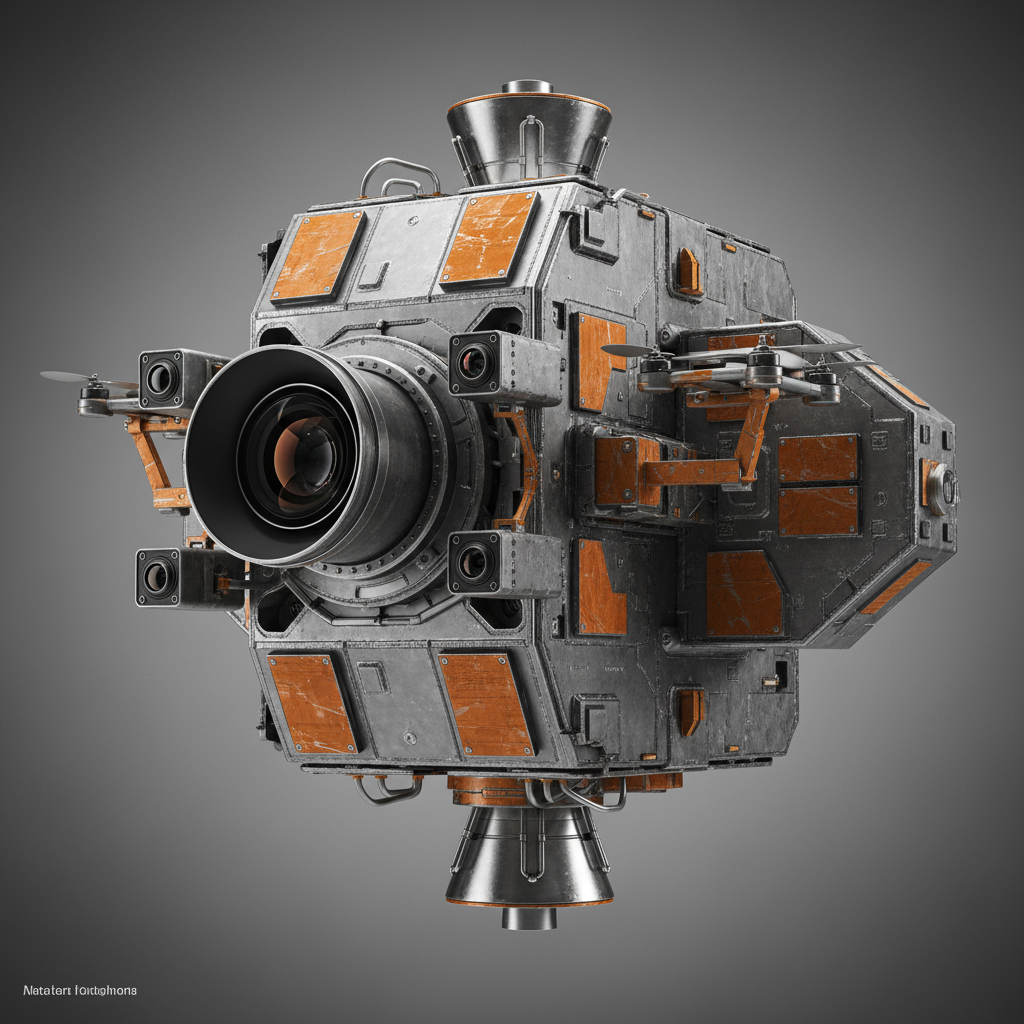
When you first look at a CubeSat, the obvious starting point is its structure. The CubeSat standard is pretty strict—usually a 10x10x10 cm cube or multiples thereof. This frame isn’t just a container; it has to withstand intense vibrations during launch, radiation outside Earth’s atmosphere, and thermal swings from baking sunlit or freezing shadows.
Most CubeSat frames are made from aluminum alloys or aluminum honeycomb panels because they provide a balance of lightweight strength and thermal stability. I’ve always appreciated how these materials get designed with precision machining or 3D printing nowadays, which wasn’t as common ten years ago.
Power System: The Lifeblood of Any Satellite
Oddly enough, the power subsystem tends to be where many projects hit their snags. Solar panels mounted on the CubeSat’s surfaces harness sunlight, storing energy in rechargeable batteries—typically lithium-ion, because their energy density is unrivaled in that tiny package.
It’s not all sunshine and rainbows though. You have to manage charging cycles, power consumption, and heaters carefully to keep electronics in their safe temperature ranges. Engineers often couple the power system with a power management and distribution board to regulate all this. I remember a project where minor miscalculations in power budgeting cost us weeks of debugging.
Communication Systems: Sending the Data Home
A CubeSat’s worth is measured by the data it collects and sends back. The communication subsystem includes antennas, transceivers, and modulation/demodulation circuits. There’s a wide variety of radio frequencies used—UHF, VHF, S-band, and others—depending on the mission profile and regulatory restrictions.
Antenna deployment mechanisms too can be surprisingly tricky. Deploying a small whip or patch antenna post-launch seems simple, but any snag and the whole mission might turn silent.
Onboard Computer & Payloads: The Brains and Brawn
The onboard computer (OBC) is the CubeSat’s brain, running all commands, controlling data flow, and managing health checks. In industrial terms, it’s like the PLC but with the added complexity of space-proofing.
Payloads can range wildly—imaging, scientific instruments, communication relay hardware, you name it. Selecting a payload often means juggling power constraints, size limits, and mission goals. One of the neat things I noticed over the years is how modular payload designs make it easier to swap in new tech without redesigning the entire satellite.
Typical CubeSat Specifications
| Component | Typical Specs | Notes |
|---|---|---|
| Structure | Aluminum Alloy, 10x10x10 cm per unit | Designed for launch loads & thermal cycling |
| Power System | Solar panels + Li-ion Batteries (5-15 Wh capacity) | Power budget a critical design factor |
| Communication | UHF/VHF radios at 1W with deployable antennas | Frequency choice varies by mission |
| Onboard Computer | Low power microcontrollers, radiation tolerant | Handles command and data processing |
| Payload | Varies: Cameras, sensors, communication relays | Mission dependent, often modular |
Comparing Popular CubeSat Vendors: What Stands Out?
Choosing where to source parts can feel like walking through a jungle. Over the years, I’ve gathered impressions of a few key players in the CubeSat market. While I won’t name names specifically, here’s a boiled-down comparison to help anyone entering this space:
| Vendor | Product Range | Customization | Support | Typical Price Level |
|---|---|---|---|---|
| Vendor A | Structures, Power, OBC, Comms | High – tailored options | Excellent – hands-on support | $$$ |
| Vendor B | Power, Payload Modules | Moderate – some tweaks possible | Good – mostly email support | $$ |
| Vendor C | Basic Structure Kits only | Low – off-the-shelf | Limited – documentation mainly | $ |
What I find neat is how this industry balances out. The lower-end vendors offer great entry points for universities and startups, while the premium suppliers cater to demanding commercial or government missions. There’s space (pun intended) for everyone, literally.
In real terms, understanding the specific parts inside a CubeSat makes a world of difference when you start integrating systems or troubleshooting. Even on smaller projects, a little knowledge about structure, power, comms, and payloads goes a long way. And if you ask me, it feels like peeling back the layers of a tiny, mechanical astronaut.
References & thoughts:
1. My years collaborating with satellite component engineers.
2. Various CubeSat mission briefings and launch reports.
3. Observing trends in modular payload development over the last decade.